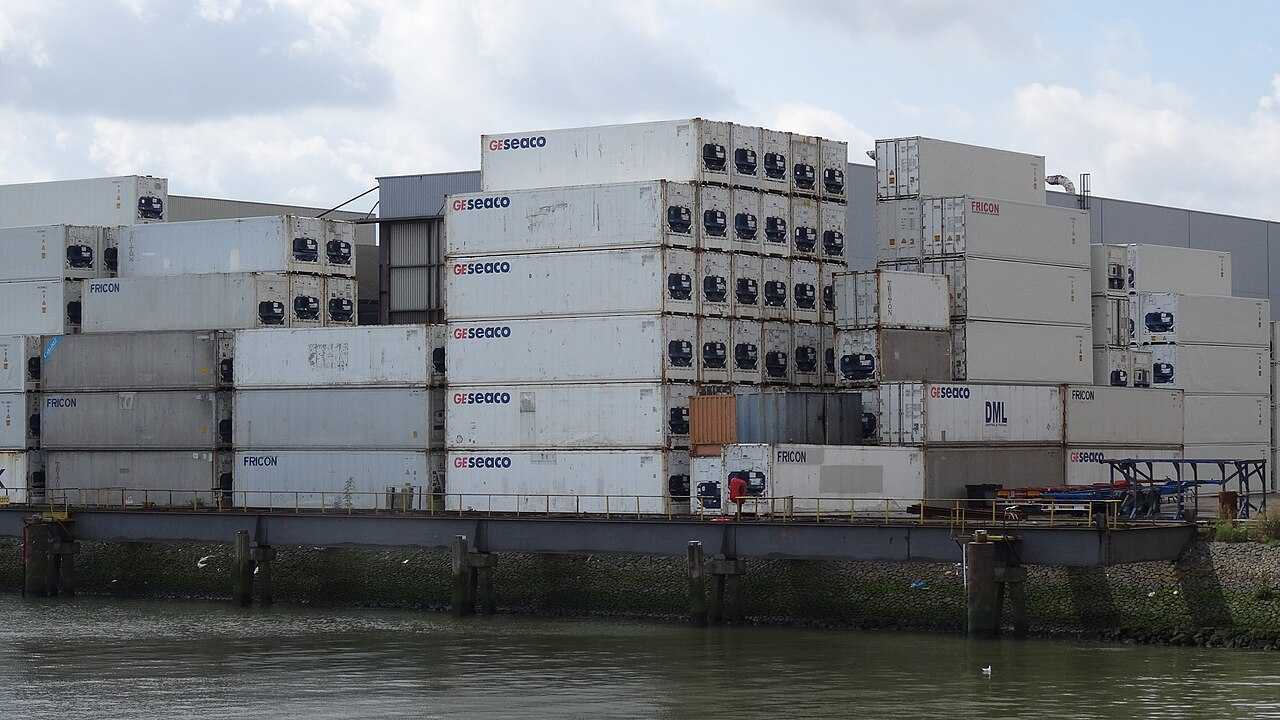

Where reefer costs come from
A reefer shipment has all the cost lines of a dry container, plus several of its own:
| Cost line | Why it exists | How to keep it down |
|---|---|---|
| Reefer equipment and freight | Refrigerated container and power on board | Fill the box; book the right size |
| Pre-trip inspection (PTI) | Unit checked and set before release to the shipper | Book on time so the PTI’d unit is ready when you need it |
| Power and monitoring at terminals | Container plugged in while it waits | Short dwell: plan collection and delivery |
| Power on the road | Genset or power source during haulage where needed | Book haulage with the right equipment, avoid waiting |
| Demurrage and detention | Same principle as dry boxes, with reefer tariffs | Check reefer free days separately |
| Cargo loss or claims | Temperature deviation, poor airflow, wrong settings | Pre-cooling, correct set points, correct loading |
The last line is the one that hurts. A rejected load of fresh or frozen product, plus disposal and replacement, can cost far more than the freight. Most reefer cost control is therefore about preventing temperature problems.
Pre-cool the cargo, not the container
A reefer container is built to maintain a temperature, not to bring warm cargo down to it. Carriers and forwarders advise pre-cooling cargo to the required carrying temperature before loading. Loading warm cargo puts the unit under strain, takes time to recover and risks quality, especially with fresh produce.
Whether to pre-cool the empty container itself depends on the cargo and the loading set-up (for example a sealed cold-store dock). Follow the carrier’s instructions for your commodity.
Load for airflow
Cold air in a reefer is blown in along the floor and returns along the top of the cargo. Anything that blocks that path creates warm spots:
- Do not load above the maximum load line marked inside the container.
- Do not cover the floor channels at the door end; leave the T-floor open.
- Avoid large gaps between pallets and between the cargo and the walls, so air does not short-circuit around the load.
- Use packaging suited to the product: vented cartons for produce that needs airflow, closed for frozen.
- Secure the load so it cannot shift and block airflow during transport.
Put the settings on the booking
The booking must carry the exact set point in °C, and for fresh produce the ventilation (fresh-air exchange) setting and, where used, humidity or controlled-atmosphere settings. A unit set wrong at the depot can spoil a load. Check the settings on the release and on the unit display at loading.
The quote link on this site passes only the container type and quantity; give the temperature and settings to the ContainerBooking team when you complete the request.
Keep the clock short
- Collect the PTI’d unit close to loading time, load quickly and return it full to the terminal without waiting.
- At destination, have customs, veterinary or phytosanitary checks prepared before arrival; inspections can add days of plug-in time.
- Book haulage with power for the full journey if it is long or includes waiting.
- Unload directly into cold storage; do not leave a container unplugged in a yard.
Is a reefer the right box?
The reefer offered in the ContainerBooking.com booking form is the 40ft reefer (40RE). For small volumes, compare the reefer FCL total with what is available on your lane, and remember that a half-empty reefer runs the same unit for the same days.
Questions
- Can a reefer container cool down warm cargo?
- It is not designed to. Reefer units are built to maintain a set temperature. Carriers and forwarders advise pre-cooling the cargo to the carrying temperature before it is loaded.
- Should I ship a few pallets of chilled goods in a full reefer?
- Compare the reefer FCL total with the alternatives on offer for your lane. A part-empty reefer still needs the same power and monitoring as a full one.
Reduce your container transport costs
Send your lane, container type and quantity to ContainerBooking.com, the Rotterdam booking desk that operates this site. You review the quote before anything is booked.